
Blog
Extra Virgin Olive Oil: Benefits, Uses, & Nutrition Facts

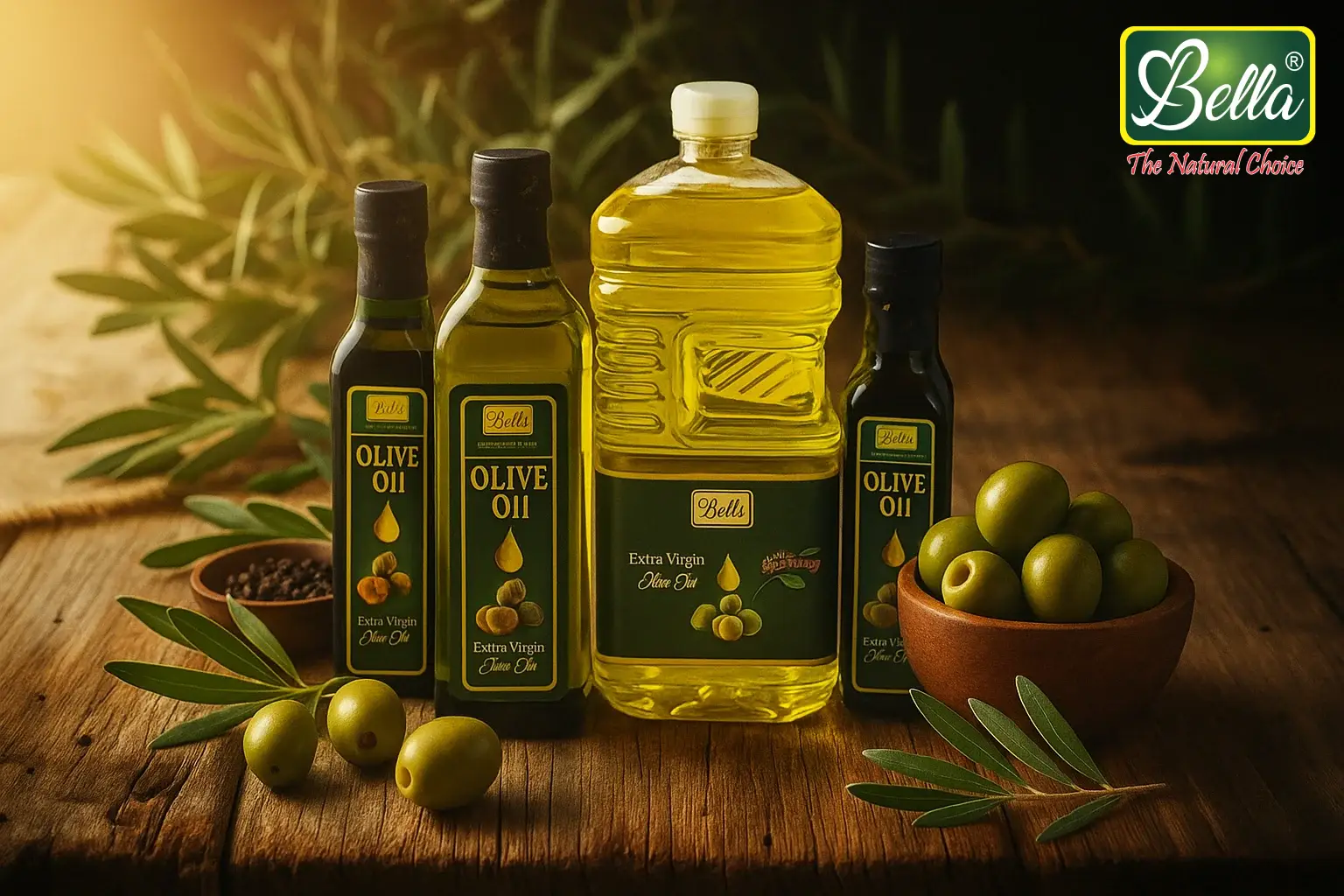
Extra Virgin Olive Oil: Benefits, Uses, & Nutrition Facts is a foundational element of the Mediterranean diet, widely celebrated for its profound health advantages. This natural olive oil is not just a superior cooking oil; it’s a nutrient-dense, heart healthy powerhouse. Loaded with potent antioxidants and beneficial monounsaturated fats, extra virgin olive oil helps reduce inflammation, protects heart health, and supports cognitive function. Given its moisturising and anti-aging properties, it’s a versatile staple for cooking, salad dressings, and even skincare.
This oil is extracted from fresh olive fruits, with the highest quality coming from the first, cold pressed olive oil run. The tradition of using this oil for its nutritional and therapeutic benefits olive oil has spanned millennia. This article dives deep into the myriad benefits of olive oil, its practical uses, and its detailed nutritional profile, making a clear case for why it deserves a place in every kitchen and beauty regimen.
Nutrition Information for Olive Oil
While rich in calories, primarily from fats, the fats found in virgin olive oil are predominantly the healthy kind. A single tablespoon (15 ml) of extra virgin oil offers:
| Nutrient | Amount |
| Calories | 119 |
| Total Fat | 14 g |
| Saturated Fat | 2 g |
| Monounsaturated Fat | 10 g |
| Polyunsaturated Fat | 1.5 g |
| Vitamin E | 1.9 mg (10% of Daily Value) |
| Antioxidants | Rich in compounds like oleocanthal and oleuropein. |
How Extra Virgin Olive Oil Impacts Your Health
The benefits of olive oil are numerous and well-documented. Here are some of the most critical health advantages:
- Superior Heart Health: Extra Virgin Olive Oil is especially rich in monounsaturated fatty acids, which are crucial for a healthy cardiovascular system. Regular intake is shown to help lower ‘bad’ LDL cholesterol and elevate ‘good’ HDL cholesterol.
- Powerful Antioxidant Content: The high concentration of antioxidants in natural olive oil, including Vitamin E and polyphenols, provides protection against oxidative stress, chronic inflammation, and other related health conditions.
- Weight Management Support: Incorporating healthy fats from cold pressed olive oil into your diet provides a greater sense of fullness and satisfaction, aiding in effective weight loss and management when combined with a balanced diet.
- Anti-Aging Skin Protection: The antioxidants in olive oil and extra virgin olive oil safeguard the skin against damage from free radicals, which are a major cause of aging. This protective quality helps keep the skin looking rejuvenated and youthful.
Olive Oil Side Effects and Considerations
While generally safe and beneficial, there are minor considerations:
- Caloric Density: All oils, including virgin olive oil, are calorie-dense. Overconsumption can lead to weight gain, so it should be used in moderation as part of a balanced diet.
- Allergic Reactions: Though rare, individuals may have allergic reactions. It’s always wise to perform a patch test before applying it extensively to the skin.
Versatile Ways to Use Natural Olive Oil
Olive oil is an incredibly versatile ingredient with a wide range of uses:
- In the Kitchen: As a cooking oil, it adds rich flavour and health benefits to meals. Extra Virgin Olive Oil is best for low-heat applications, dressings, and drizzling over finished dishes. For high-heat cooking like deep-frying, refined oils or a blend like Pomace Olive Oil may be preferred due to its higher smoke point.
- Skincare: It functions as a superb natural moisturizer, makeup remover, and massage oil. Its properties are excellent for dry skin, promoting hydration, and the antioxidants fight environmental damage.
- Hair Care: Olive oil for hair acts as a deep conditioner, nourishing strands, reducing frizz, and boosting shine.
Comparing Olive Oil Types: Why Extra Virgin is Best
When comparing olive oil vs. vegetable oil, olive oil and extra virgin olive oil clearly stand out. Extra Virgin Olive Oil, being the least processed, retains the highest levels of beneficial monounsaturated fats and antioxidants. Other common cooking oil types, like vegetable oil, are often highly processed and contain more polyunsaturated fats, which can degrade when heated. For maximum health benefits olive oil, always choose the extra virgin oil option.
Conclusion
Extra Virgin Olive Oil: Benefits, Uses, & Nutrition Facts highlights why this is a foundational staple for both a healthier lifestyle and an enhanced beauty routine.
If you are looking to create a personalised, healthy diet plan that incorporates natural olive oil, you can book an appointment with the best Nutritionist in Lahore, Karachi, Islamabad, and all major cities of Pakistan through SehatSathi.pk or call our helpline at +92 322-8082663 to find a verified doctor for your needs.